People who don’t know you yet
The platforms use your conversion tracking to find new people who look likely to want what you sell, and pick the product each one is most likely to respond to.
Dynamic product ads: an ad for every product you sell, built from your product feed, kept current when prices change, and shown to the people most likely to buy. Built, documented and handed over.
Based in Perth. Delivered remotely across Australia and overseas.
Ad markets are crowded, and more of the same ads won’t give you an edge. Better ones will: ads that are more relevant to the person seeing them, and cheaper to produce in volume. That’s what dynamic product ads are for.
A dynamic product ad is built from data. Your catalogue supplies the title, price, description and image for each product, and an ad for each one is generated automatically. The ad platforms then use your sales tracking to decide which product to show to which person, and keep adjusting as results come in.
The result is an always-on layer of advertising that tunes itself, across Facebook, Instagram, TikTok, Pinterest and display. Because the ads are produced automatically, you also stop paying to have each one made by hand.
The hard part is the plumbing. Feeds are messy, templates need rules, and something always changes on the website. I build the whole chain, keep it short, and document it so your team can run it afterwards.
The platforms use your conversion tracking to find new people who look likely to want what you sell, and pick the product each one is most likely to respond to.
Anyone who viewed a product on your site, or engaged with an ad, is shown that product again, along with others like it.
A feed of your products with all the details and imagery, taken from your site or systems and cleaned into a form the platforms accept.
The pixel and product events on your site set up to the catalogue specification, so ads can be matched to products and to sales.
Branded image and video templates that fill themselves from the feed, in square, portrait and vertical shapes.
A final feed that joins the product data to the new imagery, loaded into each platform.
Prospecting and remarketing campaigns set up in each platform to use the finished catalogue.
The system watches the feed. When a price or detail changes, it prints a new image for that product by itself.
Deliverables
Where AI comes in
AI helps clean and enrich feed data, such as rewriting titles and filling gaps in descriptions, and helps generate template variations. The rules are written down so the results are repeatable.
How I use AIReal ads from live catalogues. Nobody designed these one at a time: each was printed from a row in a product feed.


The same product data fills a portrait frame for feeds and a square one for other placements, with a vertical version for stories and reels.


When this sofa’s price dropped in the feed, the system printed a new image with the new price and the new saving. Nobody opened a design file.
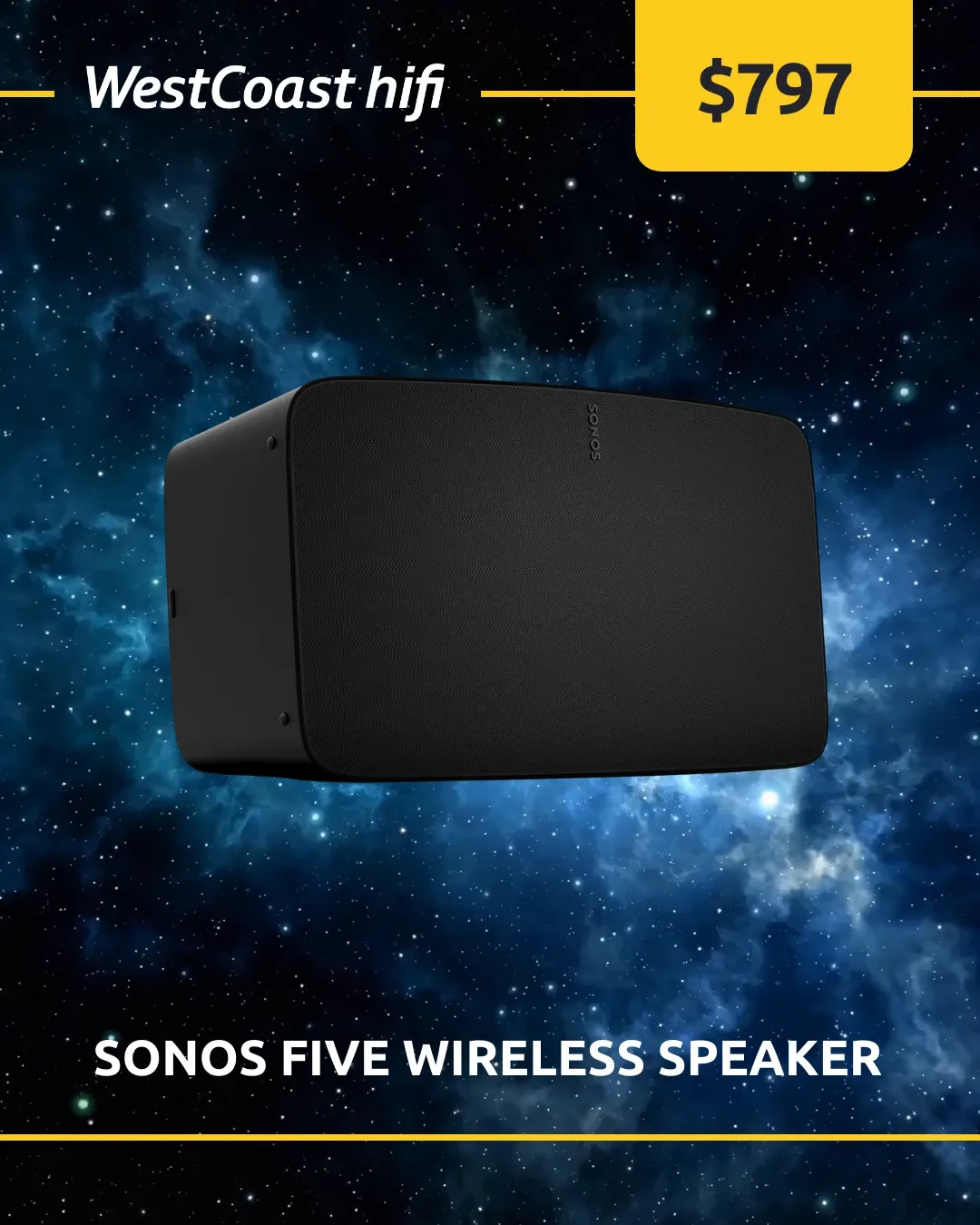
A different retailer with a different template, from the same kind of feed. The video version is built the same way.
Dankz Furniture, a Perth furniture retailer, has run dynamic product ads since October 2021. Since they were introduced:
Figures are from the ad account, from launch in October 2021.
Something else? Ask me directly.
Usually. If the information is on your website, a feed can be built from it.
Meta’s feeds, stories and reels on Facebook and Instagram, plus TikTok, Pinterest and display. The same feed and templates supply each one in the shape it needs. Newer placements, such as ads in ChatGPT, can take the same output.
Both. The same product data fills a still image template or a video one, so every product can have each.
The system checks the feed, spots the change and prints a new image for that product. Your ads don’t show yesterday’s price, and nobody has to remember to update them.
It depends on what you already have. A common setup is a feed tool such as Channable, a Google Sheet with Apps Script to detect changes, and an image rendering service such as Bannerbear to produce the creative.
Your team, your agency or me. It’s designed to be handed over, with documentation and training included.
Yes. Meta catalogue ads, Facebook catalog ads and dynamic product ads are names for the same thing. Product feed management is the work underneath, and dynamic creative optimisation is the platform choosing which product and image to show each person.
Advertising
Meta Ads on Facebook and Instagram, plus LinkedIn and other paid social, planned, built and managed by one specialist. Pixel and Conversions API tracking are set up so the platforms learn from real results.
Read moreData
Marketing automation built with low-code tools and AI: small systems that take repetitive work off your team and connect the tools you already have. Built with checks, documented and handed over.
Read moreTraining
Training sessions, runbooks and structured handovers, so your team can run what I build without calling me every week.
Read moreTell me what’s going on. I’ll come back with questions or a scoped proposal, and I’ll say so if I’m not the right person for it.